Aunt Chip and the Great Triple Creek Dam Affair Reading Level
Vocalism. It's in every good piece of writing, but it's a tad elusive when it comes to defining and teaching.
Writing that connects with readers has vocalization. Writing that makes you feel emotion has voice. Writing that comes to life has phonation. Writing that sounds unique or comes from the heart has voice. Voice is the distinct personality of a writing.
That sounds a lot like living literature, doesn't it?Exactly. If nosotros don't want to read twaddle, we shouldn't care to write it either. That's where voice comes in.
Some people might depict phonation as the mood or tone of a piece of writing. While the mood or tone are definitely impacted by the voice – bodily voice is something just a little scrap more. It's how yous arts and crafts the words to create the mood or tone of the writing.
See, I told you. The definition is a little elusive.
No worries, though. I think by using several moving picture books as mentor texts, information technology becomes easier for students to develop an understanding of vox and begin using it meliorate in their own writings.
P. S. Too education phonation through writing, flick books have the unique power to teach visual voice in their illustrations, too.
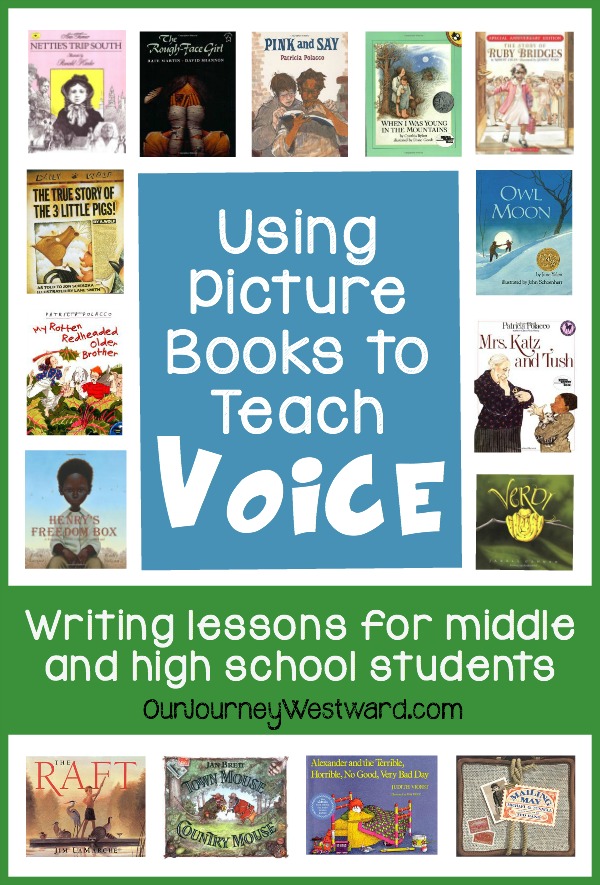
This mail service contains affiliate links.
Using Picture Books to Teach Voice
Below, I will share several lesson ideas to use picture books as mentor writing. Withal, just reading mentor books followed past discussions can work simply too.
1 discussion question to use with any mentor book: Where do you find the vocalism? Is it in the general tone of the author/narrator? Or, is the vocalism coming from a grapheme(s)?
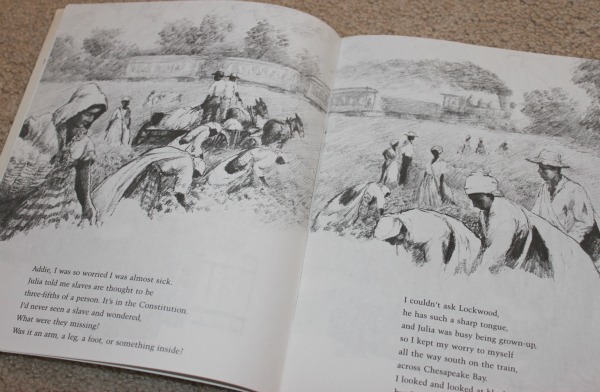
Voice Can Evoke Feelings
When books make you laugh out loud or shed a few tears, they take vocalisation. When they brand you feel potent or agape, they have voice. When you feel sorry for a graphic symbol or a situation, you've been affected past the vocalization. Here are a few not bad examples of books that set out to stir your emotions:
 The Monster at the Terminate of This Book
  Lilly's Majestic Plastic Purse
 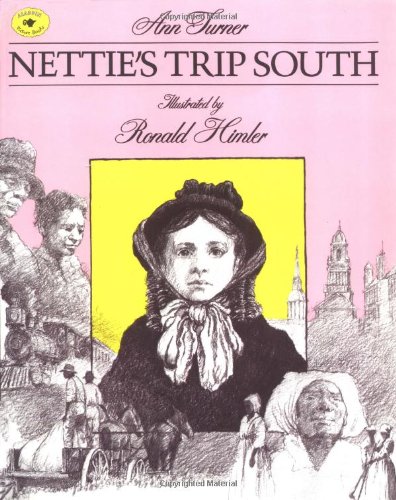 Nettie'southward Trip South (Aladdin Pic Books)
 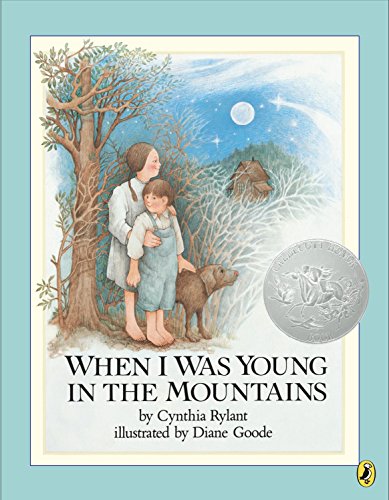 When I Was Immature in the Mountains (Reading Rainbow Books)
The Monster at the End of This Volume past Jon Stone
Lily'southward Purple Plastic Purse past Kevin Henkes
Nettie's Trip South by Ann Turner (an excellent book about slavery)
When I Was Young in the Mountains by Cynthia Rylant
Discussion Activity:What emotions are the characters trying to make you feel? How do the characters elicit the feelings of the reader? In other words, what tactics are they using to stir those emotions?
Assigning Phonation Lesson:This is a fun activity to aid students learn to give phonation to something that seemingly shouldn't take a voice – colors! Read My Many Colored Days past Dr. Seuss and/or Hailstones and Halibut Bones by Mary O'Neill (one of my favorites.) Consummate these three activities:
- Discuss how each author gives voice to the colors. Discover item words and phrases used. Notice how emotions are stirred. Discover if the color has taken on a personality through the words.
- Choose your own color and write a few notes or draw a few images to depict how that colour makes you feel.
- Write a short poem about your color. The colour has but been given a voice!
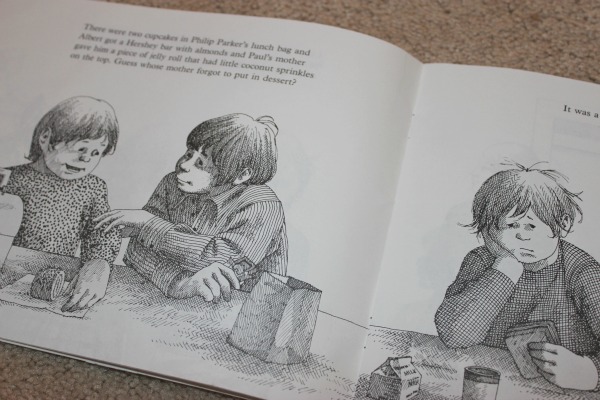
Voice Tin can Share a Perspective
Two people can encounter the same situation very differently. When an author wants you lot to run across (or even believe) a certain perspective, it's often shared through voice. These books share perspective through voice beautifully:
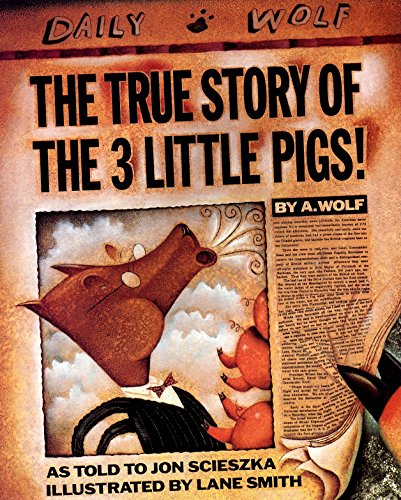 The True Story of the 3 Lilliputian Pigs
  Butterfly House
 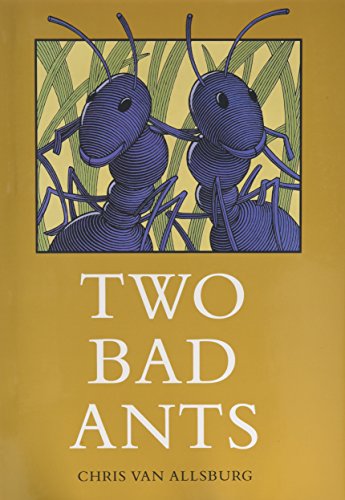 Two Bad Ants
  Boondocks Mouse, Country Mouse
  Alexander and the Terrible, Horrible, No Good, Very Bad Mean solar day
The True Story of the Three Little Pigs by John Scieszka
Butterfly House by Eve Bunting
Two Bad Ants past Chris Van Allsburg
Town Mouse, Country Mouse by Jan Brett
Alexander and the Terrible, Horrible, No Good, Very Bad Day by Judith Viorst
Give-and-take Activity:Perspective is otherwise known as signal of view. How does the primary character's perspective from each book shape the story? Could the story exist totally different from the perspective of a different character?
Perspective Lesson:Tell (or write) ane story from two unlike perspectives. Choose from the scenarios listed beneath or create your ain. Subsequently, discuss major twists in the storyline based on the varied perspectives.
- In that location'southward a serpent in your yard. Tell one story from your perspective. Tell another from the snake'south perspective.
- Its the twenty-four hours afterwards Christmas. Tell one story from the perspective of the mom who gets her cluttered business firm back in order. Tell another from the perspective of the trash collector picking up the extra trash from the holiday festivities.
- It'southward raining. Tell one story from the perspective of someone living virtually a creek where the rains have been pounding for iv days directly. The some other story from the perspective of a farmer who hasn't seen rain in 2 months.
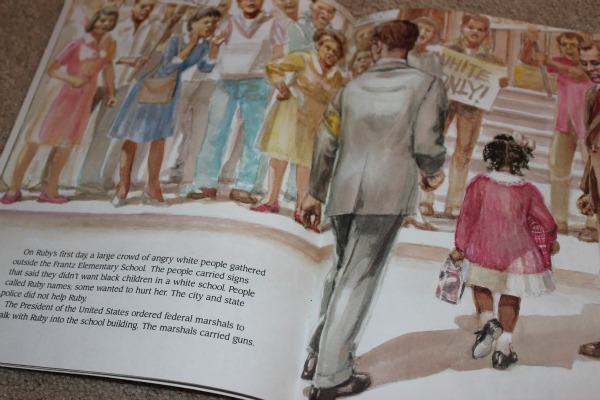
Voice Can Show Personality Traits
It makes sense that the phonation of a character would share much virtually his or her personality, and that'south exactly what these books demonstrate – very intriguing personalities:
 My Rotten Redheaded Older Brother (Aladdin Picture Books)
  The Newspaper Bag Princess (Classic Munsch)
  Officeholder Buckle & Gloria (CALDECOTT MEDAL Volume)
  The Story Of Cerise Bridges: Special Ceremony Edition
 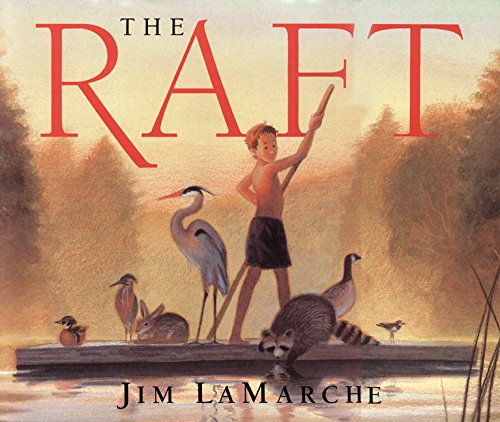 The Raft
My Rotten Redheaded Older Brother by Patricia Polacco
The Paper Pocketbook Princess past Robert Munsch
Officer Buckle and Gloria by Peggy Rathmann
The Story of Ruby Bridges by Robert Coles
The Raft past Jim LeMarche
Word Activeness: Whether you lot read ane or all of these books, go through the following discussion for each book that you lot read. Which character from the volume has a personality that stands out the about? How would y'all describe the personality? Share examples from the book that back up your view of the personality. How has the writer crafted the words to shape the character'due south personality? Did anything happen in the storyline to reshape the personality?
Personality Traits Lesson: A little acting can go a long fashion in developing personalities in writing. This quick lesson is fun, too!
- Write several personality traits on alphabetize cards: rude, aroused, sweet, shy, selfish, energetic, bossy, confident, studious, excited etc.
- Ask your pupil to develop a character in his heed. Give the character a name and share his or her physical characteristics. Don't define anything nearly the grapheme'southward personality however.
- Describe one personality alphabetize bill of fare. Tell a short story near the character in which this ane main personality is portrayed.
- Every bit you draw new cards, you tin choose from two possibilities: Starting time, change the character'south personality entirely and tell a new story with the new personality. Second, add a new layer to the personality and continue telling the original story where the grapheme at present portrays ii (or more) personalities.
- Later some practice with this exercise, transition to a written short story that focuses on building a graphic symbol with clear personality traits.
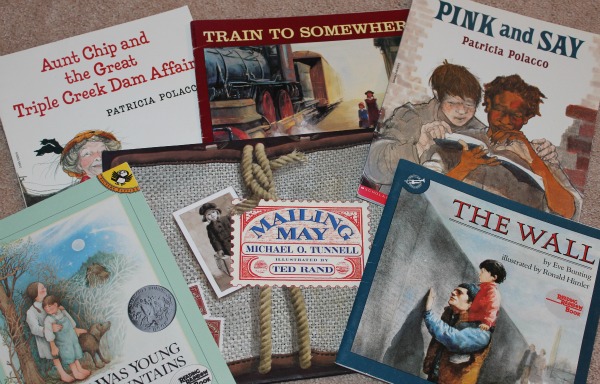
Other Books To Teach Vocalisation
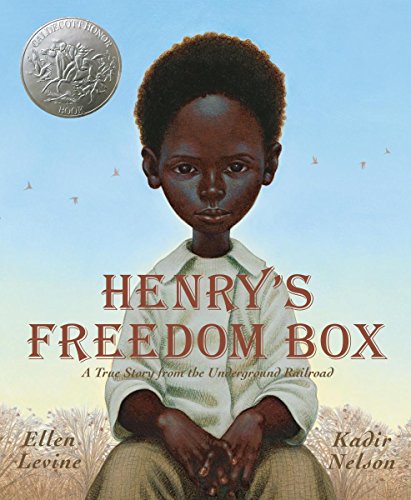 Henry's Liberty Box: A True Story from the Hush-hush Railroad
 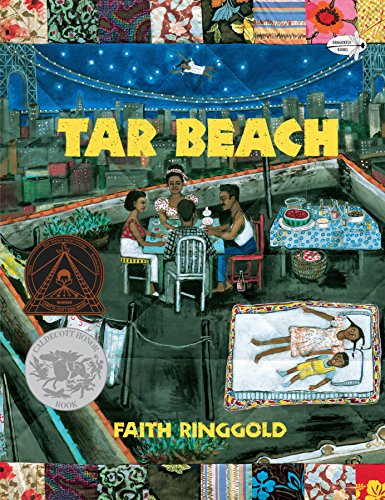 Tar Beach
  Wing Away Abode
  We Had a Picnic This Sunday By
 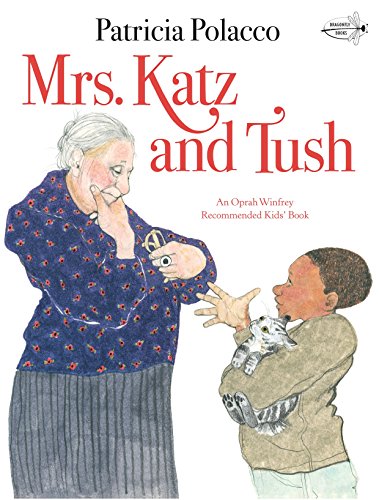 Mrs. Katz and Tush (Reading Rainbow)
  Pink and Say
Henry'south Freedom Box by Ellen Levine
Tar Embankment by Organized religion Ringgold
Wing Away Domicile past Eve Bunting
Nosotros Had a Picnic This Sunday Past by Jacqueline Woodson
Mrs. Katz and Tush by Patricia Polacco
Pink and Say by Patricia Polacco
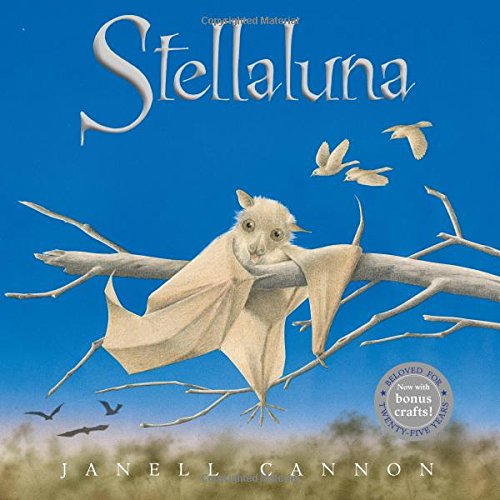 Stellaluna 25th Anniversary Edition
  Train to Somewhere
 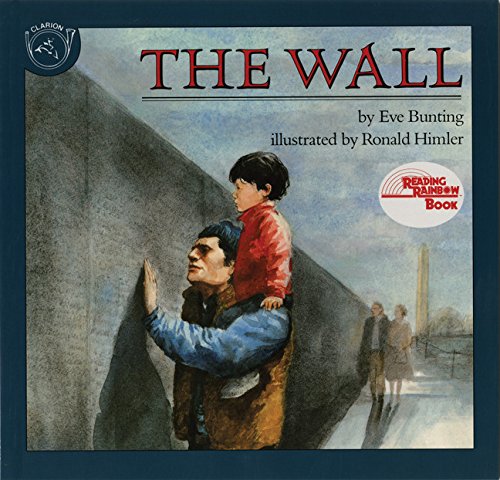 The Wall (Reading Rainbow Books)
 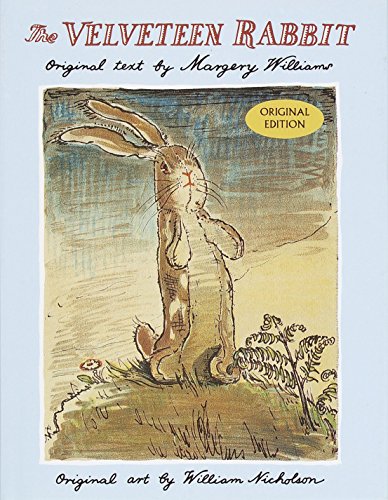 The Velveteen Rabbit
  The Rough-Face Girl
 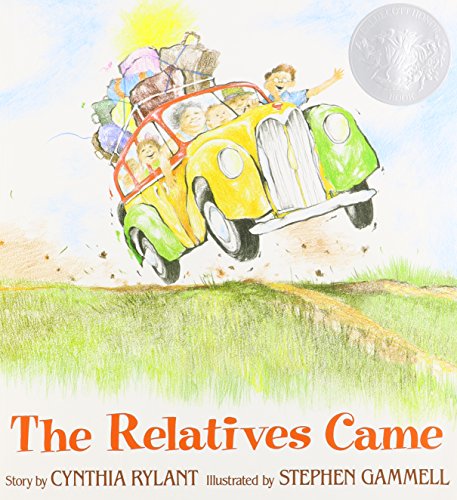 The Relatives Came
Stellaluna past Janell Cannon
Train to Somewhere past Eve Bunting
The Wall by Eve Bunting
The Velveteen Rabbit by Margery Williams
The Rough-Face Girl past Rafe Martin
The Relatives Came by Cynthia Rylant
 Aunt Chip and the Great Triple Creek Dam Affair
 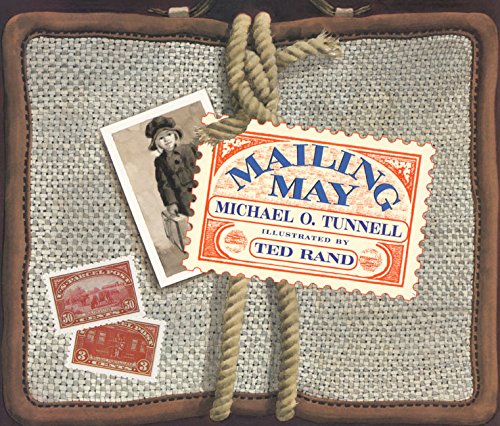 Mailing May
  The Emperor's New Apparel (Folk Tale Classics)
 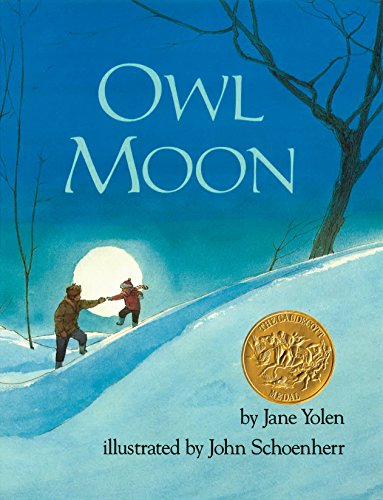 Owl Moon
 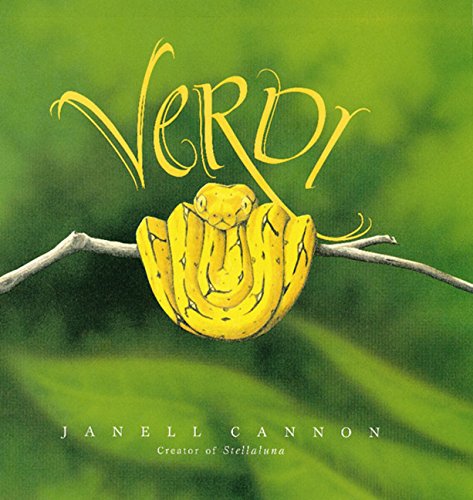 Verdi
Verdi
Aunt Scrap and the Great Triple Creek Dam Matter by Patricia Polacco
Mailing May past Michael O. Tunnell
The Emperor's New Clothes by Hans Christian Anderson
Owl Moon past Jane Yolen
Verdi by Janell Cannon
Here's a fun idea to use with any of the higher up books.
- Read the book without showing your student any pictures.
- Equally yous read, they should picture the master graphic symbol and note facts most his or her personality traits, character qualities, attitudes, and physical characteristics – fifty-fifty down to their age and what they might wear.
- Your student should explicate their observations about the character and give prove from the volume to support their view.
- Explain that the "picture" of the character was congenital non simply past descriptions that may have been written directly in the book, but through the impressions given by the voice of the text.
- Now, your student gets to practise some writing! Using the aforementioned character from the book yous just read, your educatee must craft a new story. The setting and/or state of affairs should be entirely unlike, but the grapheme and all his or her attributes should be the same.
- Note: When commencement learning almost voice, it's best to merely expect a paragraph or 2 for the new story. Aggrandize the length expectations as yous encounter fit.
Need a little more direction in teaching with this method?
I taught a practical class that tin can help!
-
How To Teach Writing With Picture Books Masterclass
$15.00
If yous've enjoyed this commodity, I know you'll enjoy the others in this series, also!
Source: https://ourjourneywestward.com/picture-books-to-teach-voice/
0 Response to "Aunt Chip and the Great Triple Creek Dam Affair Reading Level"
Post a Comment